

Introduction
Over the past decade, digital experiences have evolved dramatically. Early websites and applications were designed primarily for functionality – users had to search, click, and navigate through multiple pages to accomplish even simple tasks. As technology advanced, designers began focusing on user experience (UX), ensuring interfaces were intuitive and visually appealing.
Today, however, a new challenge has emerged. Users expect applications to predict their needs instantly. They want faster results, personalized recommendations, and interfaces that feel almost “intelligent.” Whether it’s a streaming platform suggesting the next show, a smartphone predicting the next word you type, or an e-commerce site recommending products you might like, modern users expect technology to stay one step ahead.
This growing expectation has given rise to an innovative design approach called Predictive UX.
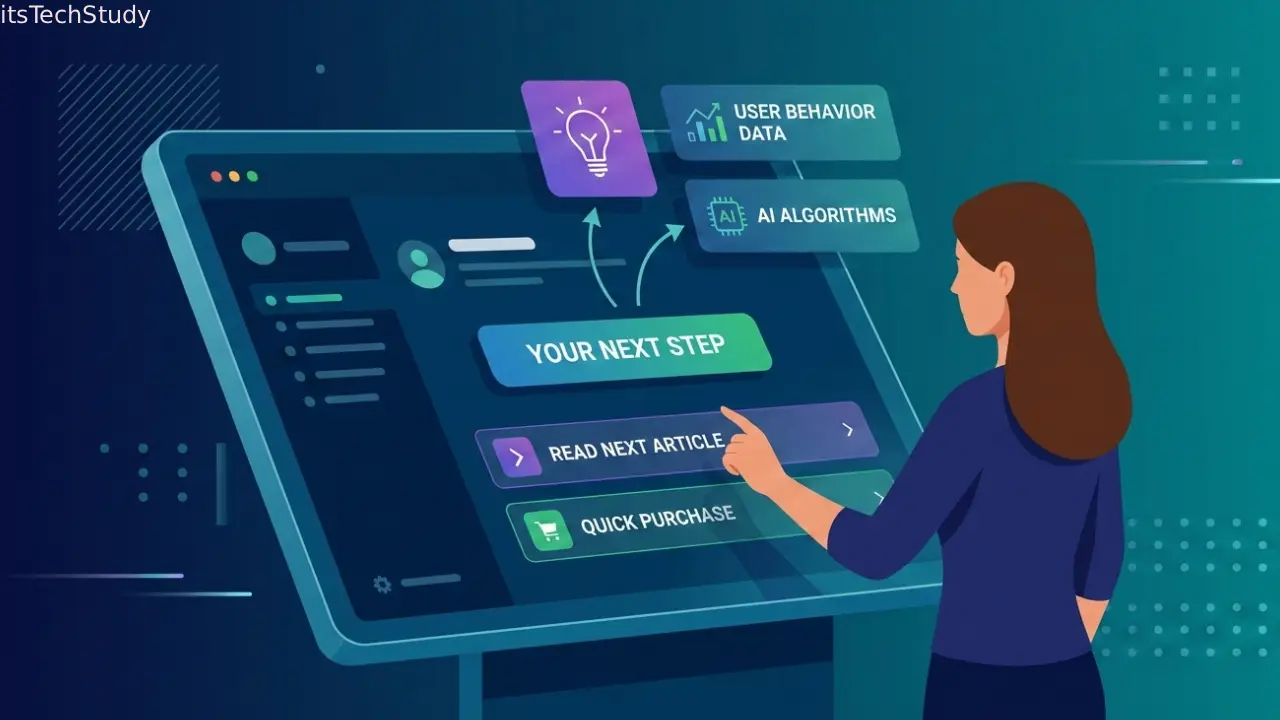
Predictive UX uses artificial intelligence (AI), machine learning, behavioral analytics, and big data to anticipate what users will do next. Instead of waiting for users to interact, systems analyze patterns and deliver relevant suggestions automatically.
Companies adopting predictive user experience design are seeing major benefits – higher engagement, better personalization, and improved customer satisfaction. In a world where attention spans are shrinking, predicting user needs is becoming a competitive advantage.
In this article, we’ll explore what Predictive UX is, how it works, its advantages and challenges, real-world examples, and how businesses can implement it effectively.
What Is Predictive UX?
Predictive UX (Predictive User Experience) is a design strategy that uses data and machine learning algorithms to anticipate user behavior and deliver proactive experiences.
Instead of reacting to user inputs, predictive systems analyze past behavior, contextual data, and usage patterns to determine what the user is likely to do next.
For example:
- A music streaming service recommending songs based on listening habits
- A search engine predicting queries before users finish typing
- An online store suggesting items based on purchase history
- Navigation apps predicting your daily commute routes
These experiences feel intuitive because the system learns continuously from user interactions.
Core Technologies Behind Predictive UX
Predictive UX relies on several advanced technologies:
- Artificial Intelligence (AI) – analyzes large datasets to identify patterns
- Machine Learning (ML) – improves predictions based on user behavior
- Big Data Analytics – processes massive amounts of user data
- Behavioral Analytics – studies how users interact with interfaces
- Contextual Computing – considers time, location, and device data
Together, these technologies enable digital products to create smart, adaptive user experiences.
Why Predictive UX Matters in Modern Digital Design
User expectations are rapidly increasing. People now expect apps and websites to be:
- Faster
- Personalized
- Efficient
- Effortless
Predictive UX helps meet these expectations by reducing friction in the user journey.
Key Reasons Predictive UX Is Important
- Improves personalization
- Reduces decision fatigue
- Enhances user engagement
- Boosts conversions in e-commerce
- Creates seamless digital experiences
For example, recommendation systems on shopping websites significantly increase purchases by showing users products they are more likely to buy.
How Predictive UX Works
Predictive UX operates through a structured process that combines data collection and intelligent algorithms.
Step-by-Step Predictive UX Process
- Data Collection
Systems gather user data such as browsing behavior, clicks, time spent on pages, and purchase history. - Pattern Analysis
AI algorithms analyze this data to identify patterns and correlations. - Prediction Generation
Machine learning models predict future actions or preferences. - Experience Personalization
Interfaces dynamically adjust content, recommendations, or features. - Continuous Learning
Systems improve predictions over time as more data becomes available.
Examples of Predictive UX in Everyday Technology
Predictive UX is already widely used in modern digital platforms.
Common Predictive UX Applications
- Search autocomplete suggestions
- Streaming content recommendations
- Smart email reply suggestions
- Personalized shopping recommendations
- Predictive navigation routes
- Smart home automation
These systems work silently in the background but significantly enhance usability.
Predictive UX vs Traditional UX
| Feature | Traditional UX | Predictive UX |
|---|---|---|
| User Interaction | Reactive | Proactive |
| Personalization | Limited | Highly personalized |
| Data Usage | Minimal behavioral data | Extensive user data |
| User Effort | Higher | Lower |
| Experience | Static interface | Adaptive interface |
Predictive UX represents a shift from “designing for users” to “designing with user behavior in mind.”
Key Components of Predictive UX Design
1. User Behavior Analysis
Understanding user actions is the foundation of predictive systems. Data such as clicks, scroll patterns, and interaction timing provide insights into user intent.
2. Context Awareness
Predictive systems consider contextual factors like:
- Location
- Time of day
- Device type
- User activity patterns
This allows applications to deliver contextual recommendations.
3. Personalization Algorithms
Algorithms analyze data to tailor experiences for each individual user.
4. Real-Time Adaptation
Predictive UX systems dynamically adjust content and recommendations in real time.
Benefits of Predictive UX
Predictive UX offers numerous advantages for both businesses and users.
For Users
- Faster interactions
- More relevant content
- Reduced search effort
- Improved satisfaction
For Businesses
- Increased user engagement
- Higher conversion rates
- Improved customer retention
- Better product insights
Key Advantages
- Personalized experiences
- Reduced user friction
- Increased efficiency
- Enhanced digital engagement
Pros and Cons of Predictive UX
Pros
- Improves user experience dramatically
- Provides personalized recommendations
- Saves time for users
- Boosts business conversions
- Enhances product usability
Cons
- Requires large datasets
- Privacy concerns if data is misused
- Implementation complexity
- Risk of incorrect predictions
Balancing personalization and privacy is one of the biggest challenges in predictive UX design.
Challenges in Implementing Predictive UX
While predictive UX offers powerful benefits, implementing it is not always easy.
Major Challenges
- Data privacy regulations
- Accuracy of predictions
- Algorithm bias
- Integration with existing systems
- Maintaining user trust
Organizations must ensure transparency in how data is used to maintain trust and comply with privacy standards.
Best Practices for Designing Predictive UX
Successful predictive UX design requires thoughtful planning.
Key Design Principles
- Collect meaningful data rather than excessive data
- Be transparent with users about personalization
- Provide manual control options
- Test prediction accuracy regularly
- Avoid overwhelming users with suggestions
Practical Implementation Tips
- Start with small predictive features
- Analyze user behavior carefully
- Continuously refine algorithms
- Focus on solving real user problems
These steps help ensure predictive features actually improve the experience rather than complicate it.
The Future of Predictive UX
The future of predictive UX looks incredibly promising as technologies continue evolving.
Emerging innovations that will shape predictive user experience include:
- AI-powered design systems
- Voice-driven predictive interfaces
- Augmented reality experiences
- Emotion recognition technology
- Hyper-personalized digital ecosystems
As data processing becomes faster and machine learning models become more sophisticated, predictive UX will become even more accurate and seamless.
In the near future, digital products may anticipate user needs before users even realize them themselves.
Conclusion
Predictive UX represents the next evolution in digital design. Instead of waiting for users to interact with a product, modern systems use artificial intelligence, machine learning, and behavioral analytics to anticipate needs and deliver proactive experiences.
As digital competition intensifies, businesses must focus on creating smarter, more personalized user journeys. Predictive UX enables companies to reduce friction, improve engagement, and build stronger relationships with users.
However, success depends on balancing data-driven insights with ethical design practices. When implemented responsibly, predictive UX can transform ordinary digital products into intelligent, adaptive experiences that feel effortless for users.
Looking ahead, predictive UX will continue shaping the future of technology – making digital experiences faster, smarter, and more intuitive than ever before.

About the Author
Amelia Morgan is a Editor at itsTechStudy.com with 15+ years of experience in the technology industry. I write about emerging innovations, AI, and digital trends-making complex topics simple and engaging for readers.
Frequently Asked Questions (FAQ)
Q1: What is Predictive UX in simple terms?
Ans: Predictive UX is a design approach where applications use AI and data analysis to anticipate user actions and provide suggestions or personalized content automatically.
Q2: How does Predictive UX improve user experience?
Ans: It reduces the effort users need to perform tasks by offering relevant recommendations, autofill suggestions, and personalized content.
Q3: Is Predictive UX based on artificial intelligence?
Ans: Yes. Predictive UX relies heavily on AI, machine learning, and behavioral analytics to analyze user data and make accurate predictions.
Q4: What industries benefit most from Predictive UX?
Ans: Industries that rely heavily on digital interaction benefit greatly, including: E-commerce Streaming platforms Mobile applications Online education Financial technology
Q5: Are there privacy concerns with Predictive UX?
Ans: Yes. Because predictive systems use large amounts of user data, organizations must follow data privacy regulations and transparent data practices.
Q6: What is the difference between personalization and predictive UX?
Ans: Personalization adapts content based on past preferences, while predictive UX actively anticipates future actions and behaviors.






No Comments Yet
Be the first to share your thoughts.
Leave a Comment