

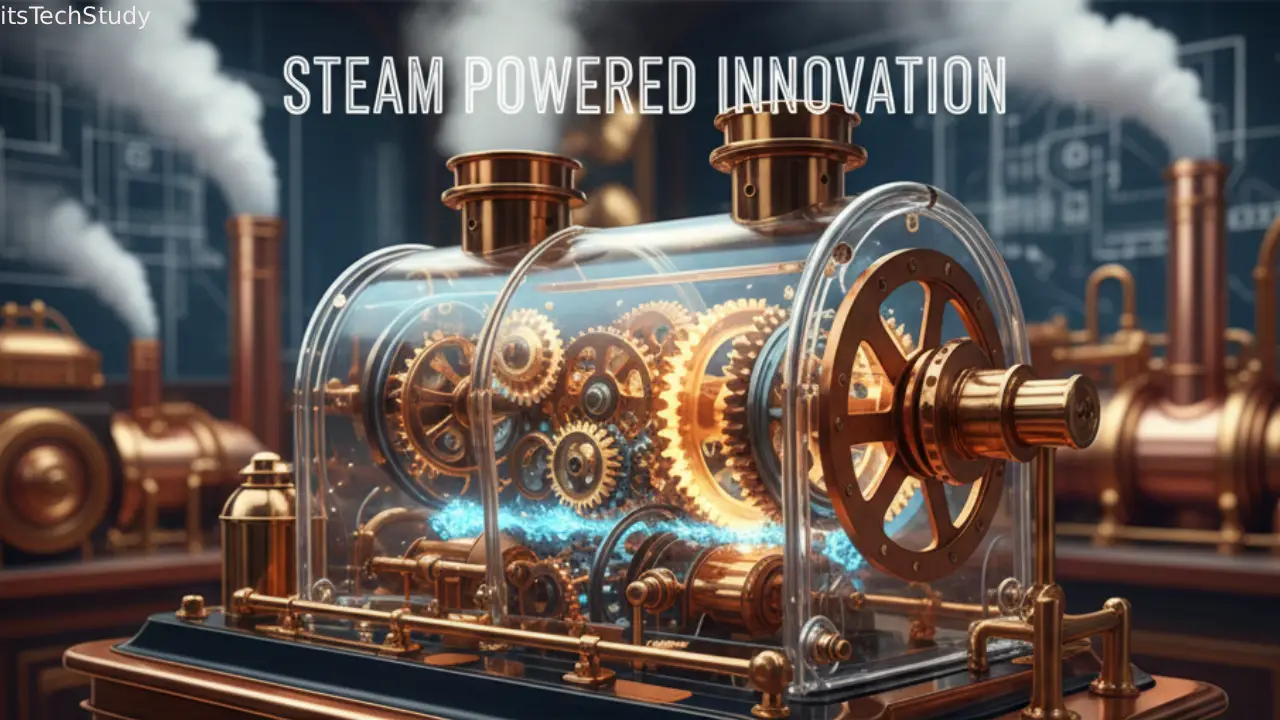
Introduction: From Industrial Heritage to Modern High-Tech Evolution
For most people today, the term “steam machine” sparks images of old locomotives puffing across Victorian landscapes, massive engines powering early factories, or historic engineering marvels that once changed the world. While steam power indeed fueled the Industrial Revolution, modern steam machine technology has quietly but powerfully evolved into a cutting-edge domain of engineering with a surprising impact on contemporary industries.
As global energy demands rise and industries explore more efficient, eco-friendly power systems, steam-based technologies are making a significant comeback. Whether we’re looking at modern steam turbines, thermal power plants, industrial process heaters, or even next-gen renewable steam generation systems, the core principle remains the same: use heat to generate pressurized steam, and convert that steam into mechanical or electrical power..
But today’s challenges – energy efficiency, sustainability, automation, and high-performance industrial needs – demand more advanced, precise, and intelligent solutions. Modern steam machines now use IoT monitoring, AI-based optimization, high-efficiency turbines, superheated steam systems, and advanced materials engineered to withstand extreme temperatures.
This transformation has turned steam machine technology from a historical innovation into a centerpiece of modern engineering.
In this in-depth article, we’ll explore how steam machines work, why they still matter, how industries use them, their pros and cons, technological advancements, comparison tables, FAQs, and everything in between. By the end, you’ll understand why steam power isn’t just a relic of the past – it’s a powerful part of our technological future.
What Is Steam Machine Technology?
At its core, steam machine technology refers to mechanical systems that convert thermal energy into mechanical energy using steam. While early designs were simple piston-driven engines, modern systems primarily use steam turbines, which offer higher efficiency and reliability.
How Steam Machines Work – The Basic Principle
- Water is heated to produce steam.
- The steam expands under high pressure.
- The pressure forces mechanical components (pistons or turbine blades) to move.
- This movement converts thermal energy into mechanical or electrical power.
This simple principle forms the backbone of massive industries we rely on every day – from electricity generation to manufacturing to transportation.
Why Steam Machines Still Matter Today
Even in an age of solar panels, lithium batteries, and high-speed computing, steam power is still responsible for generating around 80% of the world’s electricity through steam turbines in various types of power plants.
Here’s why steam machines still play such a vital role:
- High efficiency in power generation
- Ability to use various energy sources (coal, gas, biomass, nuclear, geothermal, solar thermal)
- Scalability from small industrial units to huge power plants
- Longevity and durability
- Low operational costs once installed
Steam technology remains foundational because it can harness nearly any heat source, making it incredibly versatile and adaptable to modern energy challenges.
Types of Modern Steam Machine Technologies
1. Steam Turbines
Steam turbines are the most widely used steam machines today. They rotate at extremely high speeds and convert steam pressure into rotational energy with remarkable efficiency. These turbines power most of the world’s electricity grids.
Applications of Steam Turbines
- Thermal power plants
- Nuclear power plants
- Combined heat and power (CHP) systems
- Industrial boilers
- Geothermal plants
2. Piston-Based Steam Engines (Modern Variants)
Although largely replaced by turbines, piston engines are still used in:
- Educational and mechanical engineering demonstrations
- Small-scale mechanical applications
- Niche industrial setups
They’re prized for their simplicity and reliability.
3. Solar Thermal Steam Generators
A growing sector is solar steam technology, where mirrors or lenses concentrate sunlight to heat water and produce steam with zero emissions. These are used in:
- Solar thermal power stations
- Industrial process heating
- Desalination
- Sterilization
4. Geothermal Steam Machines
In volcanic regions, naturally heated underground steam powers turbines in geothermal plants. This is one of the cleanest and most sustainable uses of steam machine technology.
Comparison Table: Traditional vs Modern Steam Machine Technology
Below is a detailed comparison highlighting the evolution of steam power:
| Feature | Traditional Steam Engines | Modern Steam Machines (Turbines & Advanced Systems) |
|---|---|---|
| Efficiency | Low (5–10%) | High (30–45%+ depending on system) |
| Energy Source | Coal or wood | Gas, coal, nuclear, geothermal, solar, biomass |
| Design | Large, bulky piston systems | Compact, aerodynamic turbine designs |
| Maintenance | High | Moderate to low |
| Automation | Manual control | Automated with IoT and AI |
| Environmental Impact | High emissions | Ranges from moderate to near-zero |
| Industry Use | Transportation, early factories | Power generation, industrial heating, renewables |
| Noise Levels | High | Low |
Advantages and Disadvantages of Steam Machine Technology
Pros of Steam Machine Technology
- Versatile energy source compatibility
- High efficiency for electricity generation
- Long operational lifespan
- Suitable for large-scale power demands
- Can integrate with renewable technologies
- Stable, reliable, and predictable output
- Lower operational cost after installation
Cons of Steam Machine Technology
- High initial installation cost
- Requires large space for industrial systems
- Water availability is essential
- Some forms still rely on fossil fuels
- Maintenance of boilers and turbines requires expertise
Modern Applications of Steam Machine Technology
Steam machine technology is everywhere — often behind the scenes — powering industries and enabling innovations.
1. Power Generation
The largest use of steam machines is in power plants:
- Coal-fired plants
- Gas-based combined cycle plants
- Nuclear power plants
- Geothermal plants
- Biomass plants
Steam turbines drive the generators that supply electricity to cities, industries, and homes.
2. Industrial Manufacturing
Steam is essential in:
- Chemical processing
- Textile manufacturing
- Metal refining
- Food processing
- Pharmaceutical production
Steam machines maintain precise temperature and pressure levels essential for consistent product quality.
3. Transportation (Historical but Influential)
Although modern transport no longer relies heavily on steam:
- Early trains
- Steamboats
- Industrial vehicles
…all laid the foundation for today’s mechanical engineering and thermodynamic innovations.
4. Renewable Energy Integration
Steam machines play a crucial role in:
- Concentrated solar power (CSP)
- Geothermal steam energy
- Biomass steam systems
These systems offer sustainable alternatives to fossil fuels.
Key Innovations in Modern Steam Machine Technology
1. Superheated Steam Technology
Superheated steam increases thermal efficiency by reducing moisture content and improving turbine performance.
2. AI & IoT Monitoring Systems
Smart steam machines use sensors and predictive algorithms to:
- Optimize steam flow
- Reduce waste
- Improve safety
- Detect faults
- Extend lifespan
3. Advanced Materials
Modern turbines use materials capable of handling extreme temperatures without degrading, leading to:
- Higher efficiency
- Longer durability
- Improved safety
4. Hybrid Renewable Systems
Steam machines integrated with solar, geothermal, or biomass systems create eco-friendly power solutions.
How Steam Machines Improve Energy Efficiency
Modern steam systems are optimized for:
- Better thermal insulation
- Efficient boilers
- Waste-heat recovery
- Closed-loop water systems
- Reduced emissions
Industries use steam for both power and heat, making it a highly efficient cogeneration solution.
Best Practices for Using Steam Machine Systems Safely
- Regular maintenance and inspections
- Monitoring pressure and temperature limits
- Using high-quality water to prevent scaling
- Proper ventilation and safety valves
- Training staff in emergency protocols
- Ensuring correct boiler operation
These steps ensure optimal performance and prevent accidents.
Future of Steam Machine Technology
While older steam engines may be museum pieces, modern steam tech is heading toward:
- Zero-emission power plants
- Compact micro-steam turbines
- Solar-powered steam modules
- AI-driven optimization
- High-efficiency industrial boilers
As industries pursue sustainability, steam-based systems will continue evolving and supporting the world’s growing energy and manufacturing needs.
Conclusion: A Timeless Technology Powering the Future
Steam machine technology may have begun centuries ago, but its evolution is far from over. From powering massive energy grids to supporting advanced manufacturing, steam remains a backbone of modern industry. New innovations – AI-driven systems, renewable steam generation, and advanced thermal engineering — continue to push steam power into the future.
As the world seeks cleaner, more efficient ways to generate power and support industrial growth, steam machine technology stands poised to remain a vital pillar of modern engineering-bridging the gap between historical discoveries and futuristic solutions.

About the Author
Tobias Hale is a technology writer and software analyst with a sharp eye on the ever-evolving world of digital innovation. With a deep passion for clean code, secure systems, and emerging technologies, Tobias brings clarity to complex topics - from the latest in operating system updates to cutting-edge software security practices.
FAQ: Frequently Asked Questions
Q1: Are steam machines still used today?
Ans: Yes, extensively. Modern steam turbines generate most of the world’s electricity and support countless industrial processes.
Q2: What industries rely the most on steam machine technology?
Ans: Power generation, manufacturing, chemical processing, food production, textiles, pharmaceuticals, and renewable energy sectors rely heavily on steam systems.
Q3: Are steam machines efficient?
Ans: Modern steam turbines are highly efficient, often achieving 30–45% efficiency or more depending on the system and heat source.
Q4: Which renewable technologies use steam?
Ans: Solar thermal power plants, geothermal plants, and biomass conversion systems all produce steam to drive turbines.
Q5: Are steam machines environmentally friendly?
Ans: They can be, especially when paired with clean energy sources like solar or geothermal. Traditional fossil-fuel-based systems contribute emissions, but modern designs aim to reduce environmental impact.
Q6: What is the difference between old steam engines and modern steam turbines?
Ans: Old engines used pistons and had low efficiency. Modern turbines use rotational blades, offering far higher performance, reliability, and versatility.







No Comments Yet
Be the first to share your thoughts.
Leave a Comment