

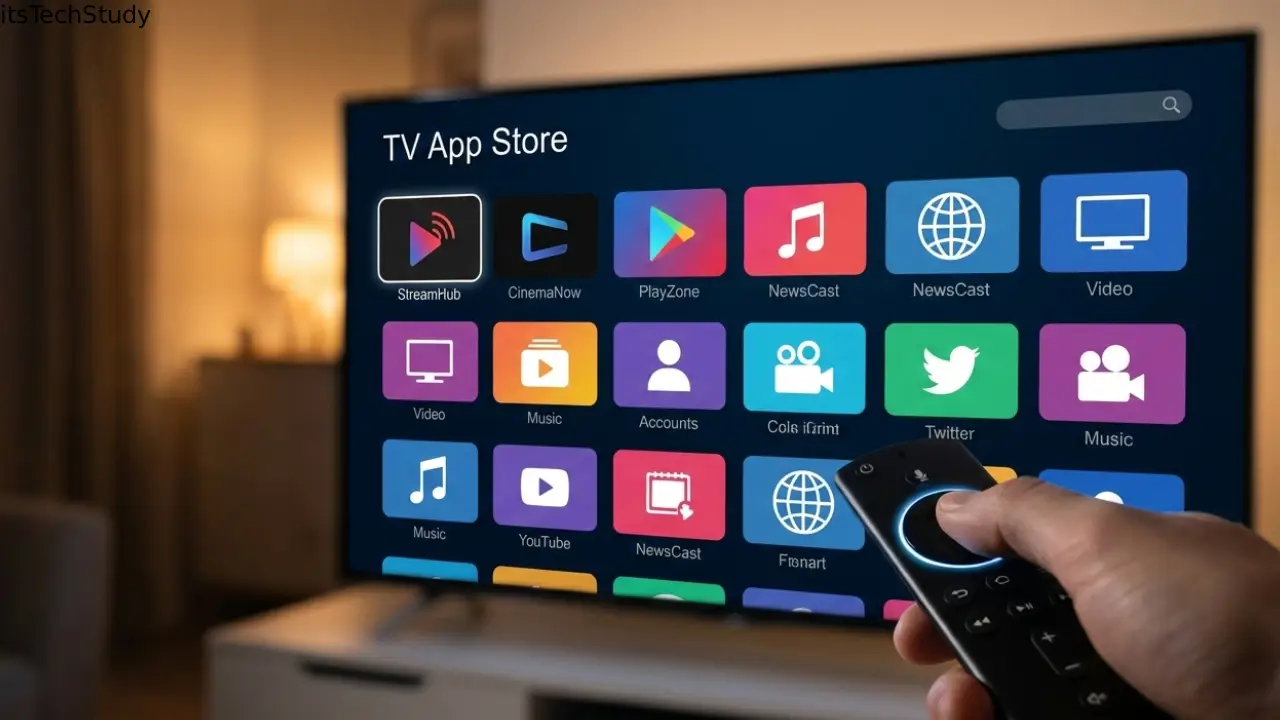
Introduction: From Passive Viewing to Interactive Experiences
Not long ago, television was a purely passive experience. You switched channels, adjusted the volume, and planned your day around fixed broadcast schedules. Cable boxes ruled the living room, and innovation moved slowly. Fast forward to today, and TV app technology has completely reshaped how we consume content. Smart TVs, streaming platforms, and interactive applications have turned televisions into powerful digital hubs rather than simple display devices.
The challenge now is no longer what to watch, but how content is delivered, personalized, and monetized. Viewers expect seamless performance, instant access, personalized recommendations, and cross-device compatibility. For developers and businesses, the competition is fierce, platform fragmentation is real, and performance expectations are higher than ever. TV app technology sits at the center of this transformation, bridging entertainment, technology, and user experience in ways traditional television never could.
In this article, we’ll explore how TV app technology works, the platforms driving it, benefits and limitations, development trends, and what the future holds for smart TV applications.
What Is TV App Technology?
TV app technology refers to the software frameworks, operating systems, and development tools used to create applications that run on smart TVs and connected TV (CTV) devices. These apps deliver video streaming, games, fitness programs, news, education, and even smart home controls directly to television screens.
Unlike mobile or web apps, TV apps are designed for large displays, remote-based navigation, and long-form content consumption. Performance, simplicity, and visual clarity are critical because users interact from a distance rather than touch.
Key Characteristics of TV Applications
- Optimized for large screens and high resolutions
- Controlled primarily through remotes or voice commands
- Designed for lean-back user experiences
- Built for continuous streaming and low latency
- Integrated with content recommendation engines
Evolution of TV App Technology
From Cable Boxes to Smart TVs
Early digital TV experiences relied on set-top boxes with limited interactivity. Cable providers controlled content, interfaces, and advertising. Innovation was slow and expensive.
The introduction of smart TVs marked a turning point. Built-in operating systems enabled app stores, internet connectivity, and third-party development. Platforms like Android TV, Tizen, and webOS opened the ecosystem to developers worldwide.
Rise of Streaming-First Platforms
Streaming apps such as Netflix, YouTube, and Amazon Prime Video set new expectations. Smooth playback, adaptive streaming, and personalized recommendations became the baseline. Traditional broadcasters had to adapt or risk becoming irrelevant.
Major TV App Platforms and Ecosystems
Different smart TV manufacturers and device makers use distinct platforms, each with its own development requirements.
Popular TV Operating Systems
| Platform | Used By | Development Stack | Key Strength |
|---|---|---|---|
| Android TV / Google TV | Sony, TCL, Xiaomi | Java, Kotlin, Flutter | App flexibility |
| Tizen TV | Samsung | JavaScript, HTML, CSS | Large global reach |
| webOS | LG | Web technologies | Smooth UI performance |
| tvOS | Apple TV | Swift, UIKit | Premium user experience |
| Roku OS | Roku devices | BrightScript | Simplicity and speed |
This fragmentation creates challenges for developers but also opportunities to reach diverse audiences.
How TV App Technology Works Behind the Scenes
Content Delivery and Streaming
TV apps rely heavily on adaptive bitrate streaming technologies such as HLS and MPEG-DASH. These systems adjust video quality based on internet speed, ensuring uninterrupted playback.
User Interface Design
TV app interfaces prioritize:
- Large fonts for readability
- Clear contrast and spacing
- Minimal navigation steps
- Focus-based navigation rather than touch
Backend Integration
Most TV apps connect to cloud-based services for:
- Content management systems
- User authentication
- Recommendation engines
- Analytics and performance monitoring
Benefits of TV App Technology
For Viewers
- On-demand access to global content
- Personalized recommendations
- Multi-language and accessibility features
- Ad-free or ad-controlled viewing options
For Businesses and Creators
- Direct-to-consumer distribution
- Advanced analytics and viewer insights
- Multiple monetization models
- Global reach without traditional broadcasting costs
Pros and Cons of TV App Technology
Pros
- Enhanced user engagement
- Flexible content delivery
- Cross-platform compatibility
- Data-driven personalization
- Scalable monetization options
Cons
- Platform fragmentation
- Higher development and testing costs
- Performance optimization challenges
- Limited input methods compared to mobile
TV App Development: Key Technologies and Tools
Core Development Technologies
- JavaScript-based frameworks for webOS and Tizen
- Native SDKs for tvOS and Android TV
- Cross-platform tools like Flutter and React Native
- Media players optimized for large screens
Development Best Practices
- Design for remote navigation first
- Optimize for fast app launch times
- Reduce memory and CPU usage
- Ensure consistent playback quality
- Test across screen sizes and OS versions
Monetization Models in TV App Technology
TV apps are no longer just content players; they are revenue-generating platforms.
Common Monetization Strategies
- Subscription-based video on demand (SVOD)
- Ad-supported video on demand (AVOD)
- Transactional video on demand (TVOD)
- In-app purchases and premium features
Choosing the right model depends on audience behavior, content type, and regional preferences.
Role of AI and Data in Modern TV Apps
Artificial intelligence plays a growing role in shaping TV app experiences.
AI-Driven Features
- Personalized content recommendations
- Voice search and natural language control
- Automated content tagging
- Viewer behavior analysis
These capabilities help platforms increase watch time and user satisfaction while improving ad targeting.
TV App Technology vs Mobile and Web Apps
While TV apps share similarities with mobile and web apps, they differ significantly in user intent and interaction style.
- TV apps focus on long-form content
- Mobile apps prioritize quick interactions
- Web apps offer flexibility but lack immersion
Understanding these differences is essential for delivering meaningful TV app experiences.
Challenges Facing TV App Technology Today
Performance Expectations
Users expect instant playback and smooth navigation. Any delay often leads to app abandonment.
Content Discovery
With thousands of apps and shows available, helping users find relevant content remains a major challenge.
Security and Privacy
Handling user data, payments, and viewing habits requires strong security measures and compliance with privacy standards.
Future Trends in TV App Technology
What’s Coming Next?
- Deeper AI-driven personalization
- Cloud gaming on smart TVs
- Interactive and shoppable TV experiences
- Integration with smart home ecosystems
- More standardized development frameworks
TV app technology is moving beyond entertainment toward becoming a central digital interface for households.
Conclusion: The Expanding Role of TV App Technology
TV app technology has fundamentally changed how we experience television. What was once a one-way broadcast medium is now an interactive, personalized, and data-driven ecosystem. For viewers, it means more control and better content discovery. For developers and businesses, it opens new opportunities for innovation, monetization, and global reach.
As smart TVs become more powerful and connected, TV apps will continue evolving beyond entertainment into education, fitness, gaming, and smart home control. Those who understand and adapt to this technology today will be best positioned to shape the future of digital living rooms..

About the Author
Amelia Morgan is a Editor at itsTechStudy.com with 15+ years of experience in the technology industry. I write about emerging innovations, AI, and digital trends-making complex topics simple and engaging for readers.
Frequently Asked Questions (FAQ)
Q1: What is TV app technology in simple terms?
Ans: TV app technology refers to software systems that allow applications to run on smart TVs, enabling streaming, gaming, and interactive services.
Q2: How are TV apps different from mobile apps?
Ans: TV apps are designed for large screens, remote control navigation, and long viewing sessions, unlike touch-based mobile apps.
Q3: Which programming languages are used for TV apps?
Ans: Common languages include JavaScript, Java, Kotlin, Swift, and HTML/CSS, depending on the platform.
Q4: Are TV apps expensive to develop?
Ans: Costs vary based on platform support, features, and content delivery needs. Cross-platform tools can help reduce expenses.
Q5: Can TV apps work without the internet?
Ans: Most TV apps require internet connectivity, though some support offline playback for downloaded content.


No Comments Yet
Be the first to share your thoughts.
Leave a Comment